Six planets, Mercury, Venus, Jupiter, Saturn, Uranus, and Neptune, will be above the horizon after sunset on February 28 and spread along the same general path in the sky. That is why some outlets are calling it a “planetary parade”. The description makes it sound dramatic, but it is not limited to one night. The grouping can be seen for several days before and after that date.
Four of the planets are visible without equipment. Mercury, Venus, Jupiter, and Saturn can be seen with the naked eye if the sky is clear. Uranus and Neptune are too faint and require binoculars or a telescope.
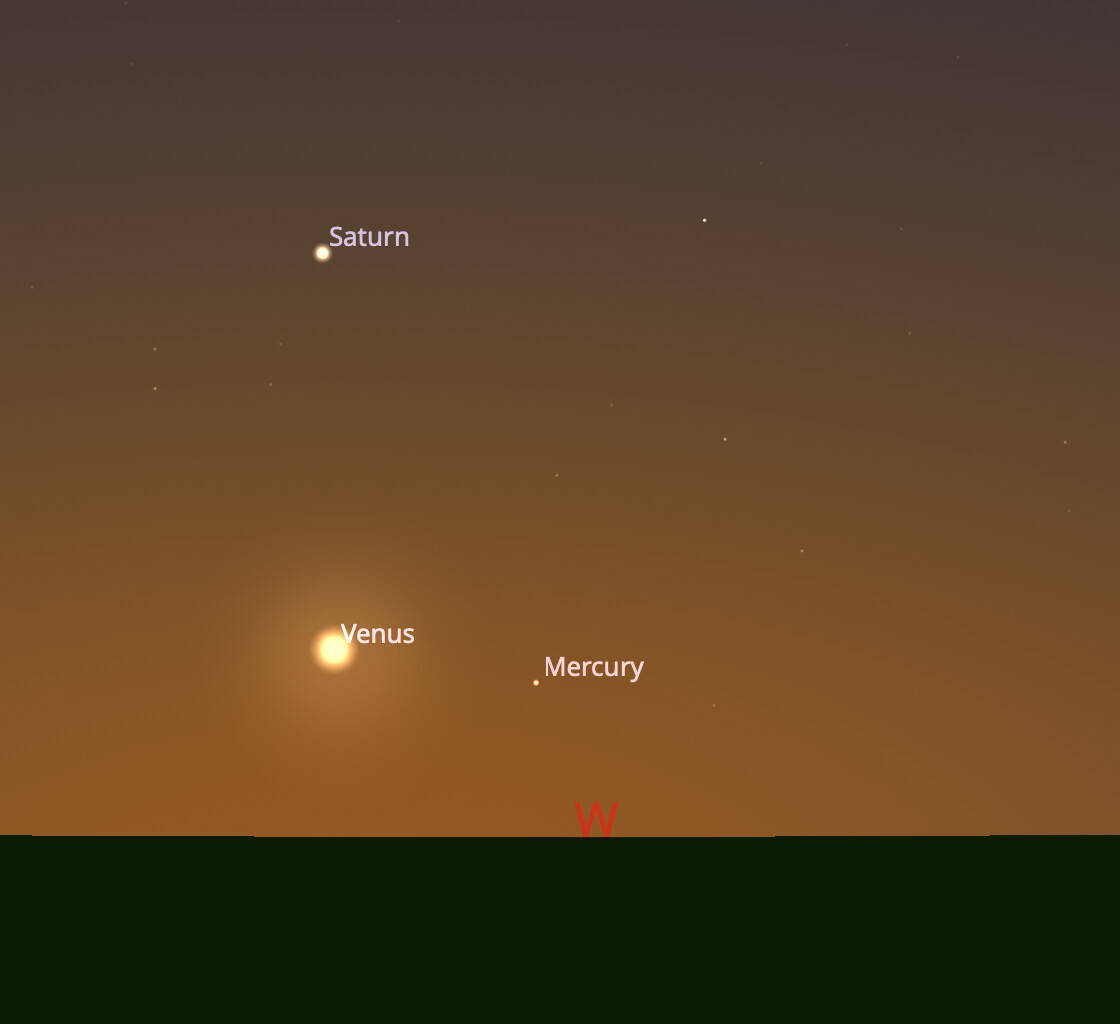
Look toward the western sky about 20 to 30 minutes after sunset, roughly around 6:20 p.m. depending on your location. Venus and Mercury will sit low near the horizon. Venus will be the brightest object there. Mercury will appear dimmer and slightly to the right of Venus.
Saturn will appear above Venus. It is brighter than Mercury but noticeably dimmer than Venus.
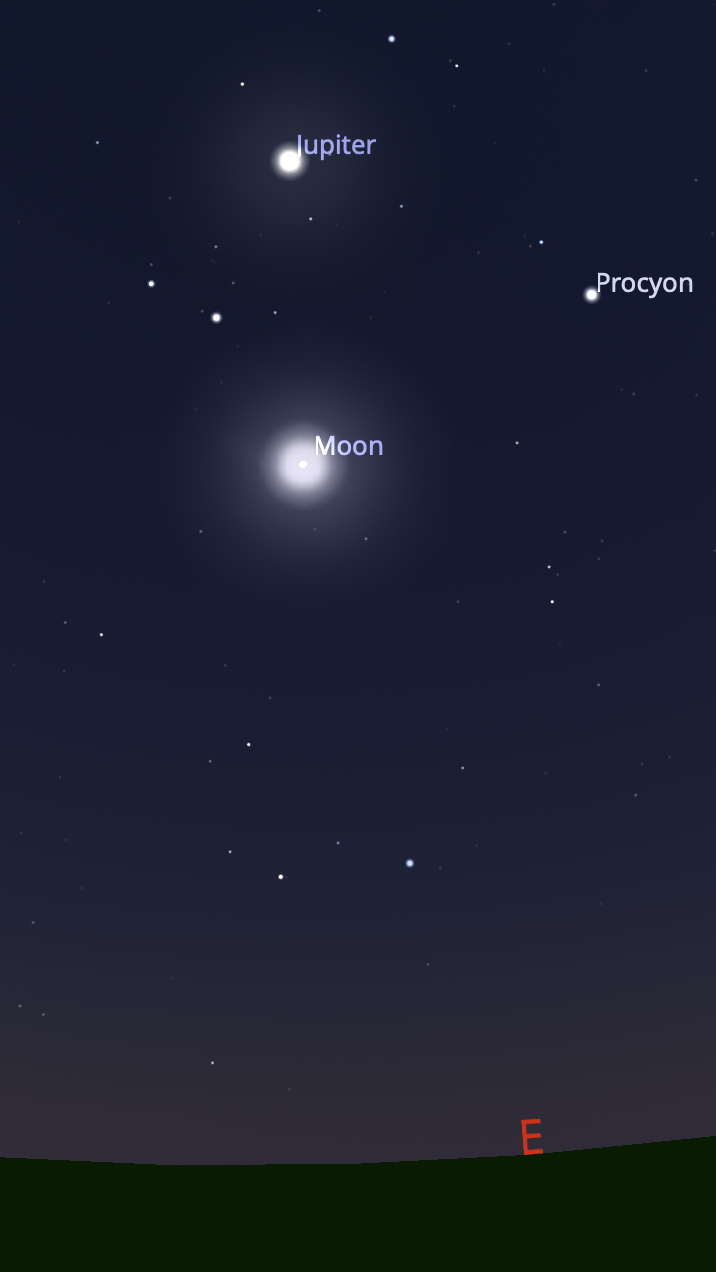
Jupiter will be visible in the eastern sky and will stand out because of its brightness. It will appear above the Moon.
Uranus and Neptune will not be visible to the naked eye. Optical aid is required to spot them.
While the term may be overhyped, evenings like this still offer something worthwhile. Seeing multiple planets in one glance makes the solar system feel real rather than abstract. It is a simple way for anyone to reconnect with the night sky, share a moment with others, and appreciate the scale and order of our cosmic surroundings. Sometimes, just stepping outside and looking up is enough.